
Dolores Huerta Ethnicity: The Mexican-American Heritage Behind Her Civil Rights Legacy
October 29, 2026
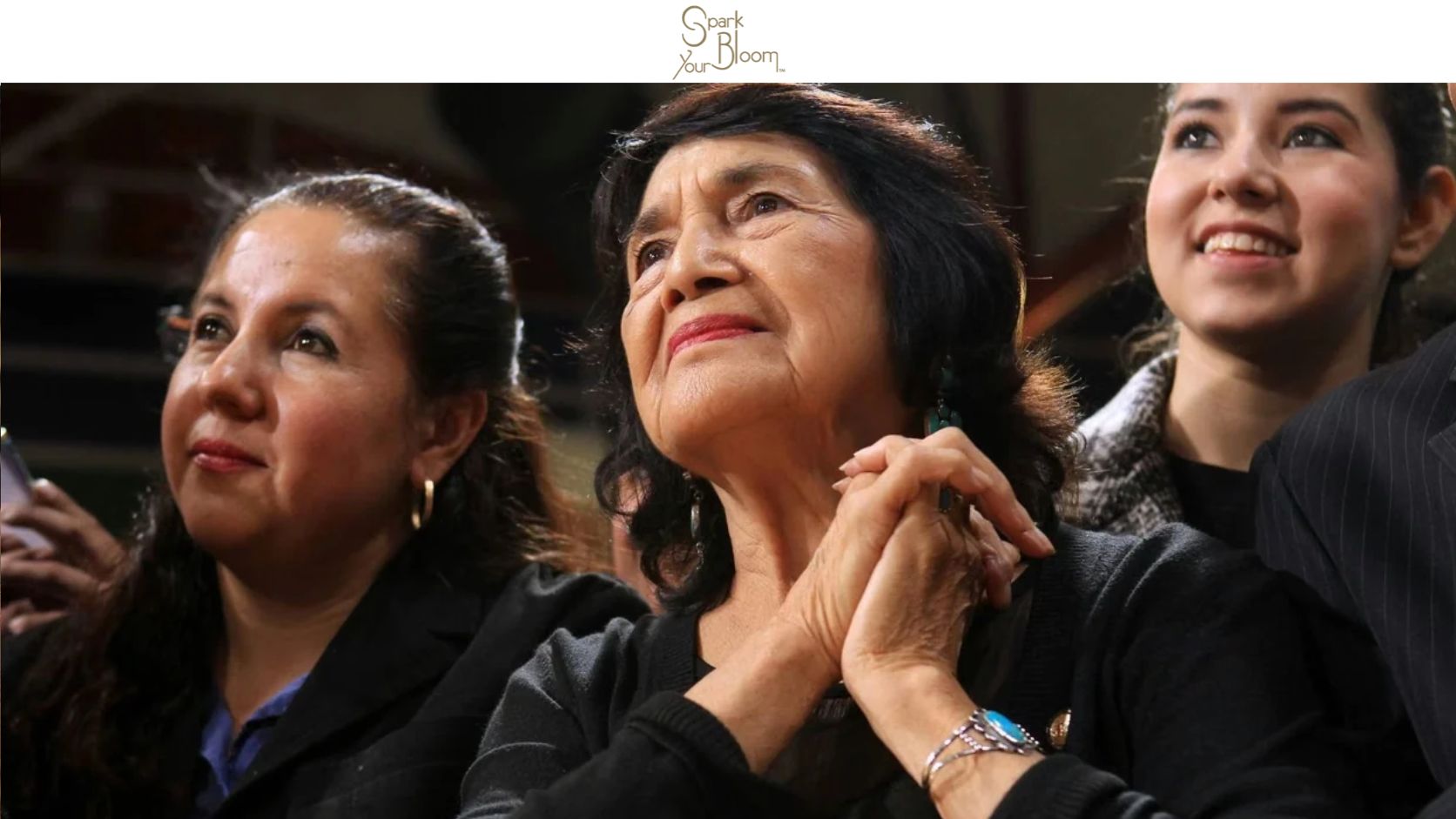
Dolores Huerta, the legendary Mexican-American labor organizer and civil rights activist, has returned to public attention following reports of her passing on October 28, 2026, at the age of 96. The influential campaigner spent decades fighting for farmworkers, immigrants and underserved communities across the United States. Her Mexican-American heritage was central to her identity and helped shape the activism that made her one of the country’s most recognizable civil rights leaders.
Huerta was born in Dawson, New Mexico, and raised primarily in Stockton, California. Her parents, Juan Fernández and Alicia Chávez, came from families with longstanding roots in the American Southwest. Growing up within a Mexican-American community exposed her to the social and economic challenges that later became the focus of her work.
What Was Dolores Huerta’s Ethnicity?
Dolores Huerta was Mexican-American.
She was born on April 10, 1930, in Dawson, New Mexico, United States.
Her family had deep connections to Mexican-American communities in the American Southwest.
Although Huerta was born in the United States, her cultural background reflected generations of Mexican heritage.
Her upbringing combined American citizenship with the traditions, experiences and identity of Mexican-American families.
Throughout her career, Huerta openly embraced her heritage.
She became particularly recognized for advocating for Latino workers, immigrant families and communities experiencing economic inequality.
Her ethnic identity was closely connected to her understanding of discrimination and the importance of equal rights.
Dolores Huerta’s Father, Juan Fernández
Dolores Huerta’s father was Juan Fernández.
He was born in Dawson, New Mexico, and worked in physically demanding occupations, including mining and agricultural labor.
His professional experiences connected him directly to working-class communities.
Juan also became involved in labor activism and public affairs.
His interest in workers’ rights reflected the challenges faced by many Mexican-American families during that period.
Although Huerta’s parents separated when she was young, her father’s background remained an important part of her family history.
His experiences in labor-intensive industries provided a connection to the communities Huerta would later represent.
Her advocacy for agricultural workers reflected many of the same concerns surrounding employment conditions and economic opportunity.
Dolores Huerta’s Mother, Alicia Chávez
Alicia Chávez was Dolores Huerta’s mother and one of the most influential people in her childhood.
She was born in Las Cruces, New Mexico.
Following her separation from Juan Fernández, Alicia raised Dolores and her siblings primarily in Stockton, California.
She worked hard to provide financial stability for her family.
Alicia eventually operated a hotel and became involved in community activities.
She was known for helping people facing financial difficulties and supporting local organizations.
Her generosity and willingness to assist others made a lasting impression on Dolores.
Huerta later credited her mother with teaching her the importance of compassion, independence and community responsibility.
These values became central to her activism.
Her Mexican-American Childhood in California
Dolores Huerta spent much of her childhood in Stockton, California.
The city was surrounded by agricultural communities that depended heavily on farm labor.
Many workers came from Mexican-American and immigrant families.
Growing up in this environment allowed Huerta to observe the economic differences between agricultural workers and other members of society.
She also witnessed discrimination affecting Mexican-American communities.
These experiences influenced her understanding of social inequality.
Her mother encouraged education and participation in community activities.
Huerta attended local schools and later pursued studies at Stockton College.
Although she initially considered a career in education, her experiences with disadvantaged children and families encouraged her to become more involved in community organizing.
How Her Heritage Influenced Her Activism
Dolores Huerta’s Mexican-American identity played a significant role in shaping her commitment to labor rights. Her experiences growing up in California’s agricultural region helped her understand the difficulties faced by farmworkers, including low wages, unsafe working conditions and limited political representation.
During the 1950s, Huerta became involved in community organizing.
She worked with organizations focused on voter registration, education and improving opportunities for working-class families.
Her ability to communicate with Mexican-American communities helped her develop relationships with agricultural workers.
She recognized that meaningful improvements required collective action.
This belief eventually led her toward the labor movement.
Her cultural background helped her understand the experiences of workers who often faced language barriers and discrimination.
Dolores Huerta and the Farmworkers Movement
Dolores Huerta became internationally recognized for her role in organizing agricultural workers.
In 1962, she co-founded the National Farm Workers Association with César Chávez.
The organization later became part of the United Farm Workers.
Their efforts focused on improving wages, workplace safety and labor protections.
Huerta participated in organizing campaigns, negotiations and demonstrations.
She became an important figure in the Delano grape strike and the nationwide grape boycott.
These campaigns attracted public attention to the working conditions experienced by agricultural laborers.
Huerta also helped negotiate agreements between farmworkers and agricultural employers.
Her leadership challenged traditional expectations about women in labor organizing.
She became a prominent voice for workers whose concerns had frequently been overlooked.
The Meaning of Sí, Se Puede
One of Dolores Huerta’s most recognizable contributions was popularizing the phrase “Sí, se puede.”
The Spanish expression translates to “Yes, we can.”
Huerta coined the slogan during the farmworkers movement in 1972.
It became associated with determination, collective action and the belief that meaningful change was possible.
The phrase reflected the movement’s connection to Spanish-speaking agricultural communities.
Over time, it gained recognition beyond labor organizing.
It became a familiar expression in civil rights campaigns, political movements and community activism.
The slogan also demonstrated how Huerta incorporated her Mexican-American cultural identity into her public work.
Dolores Huerta’s Family and Personal Life
Dolores Huerta was the mother of 11 children.
She balanced the responsibilities of raising a large family with decades of activism.
Her personal life included marriages to Ralph Head and Ventura Huerta.
She also had a longstanding relationship with Richard Chávez, the brother of César Chávez.
Her family experienced many of the challenges associated with her demanding public career.
Huerta frequently traveled for organizing campaigns, negotiations and demonstrations.
Despite these responsibilities, her children remained an important part of her life.
Her experiences as a mother also influenced her advocacy for families facing poverty and limited access to essential services.
Dolores Huerta’s Recognition and Achievements
Dolores Huerta received numerous honors for her contributions to labor organizing and civil rights.
In 2012, President Barack Obama awarded her the Presidential Medal of Freedom.
The recognition celebrated her decades of advocacy for workers and marginalized communities.
Huerta also established the Dolores Huerta Foundation, which focuses on community organizing and civic participation.
The organization has supported initiatives involving education, voter engagement and social justice.
Her influence extended beyond Mexican-American communities.
She became a respected figure in the broader American labor and civil rights movements.
Her work demonstrated the importance of organizing communities and advocating for political representation.
Dolores Huerta’s Mexican-American Legacy
Dolores Huerta’s ethnicity remained an important part of her personal identity and public career.
Her parents’ roots in New Mexico and her upbringing in Stockton connected her to generations of Mexican-American families in the Southwest.
Those experiences helped shape her understanding of discrimination, economic inequality and the importance of community action.
Through her work with farmworkers, she became a national symbol of determination and collective organizing.
Her famous slogan, Sí, se puede, continues to represent hope and perseverance.
Huerta’s legacy reflects the lasting contributions of Mexican-American activists to the history of labor rights and civil rights in the United States.