
Freddie Mercury Daughter: What the “Bibi” Biography Claims and Why the Story Remains Disputed
November 1, 2026
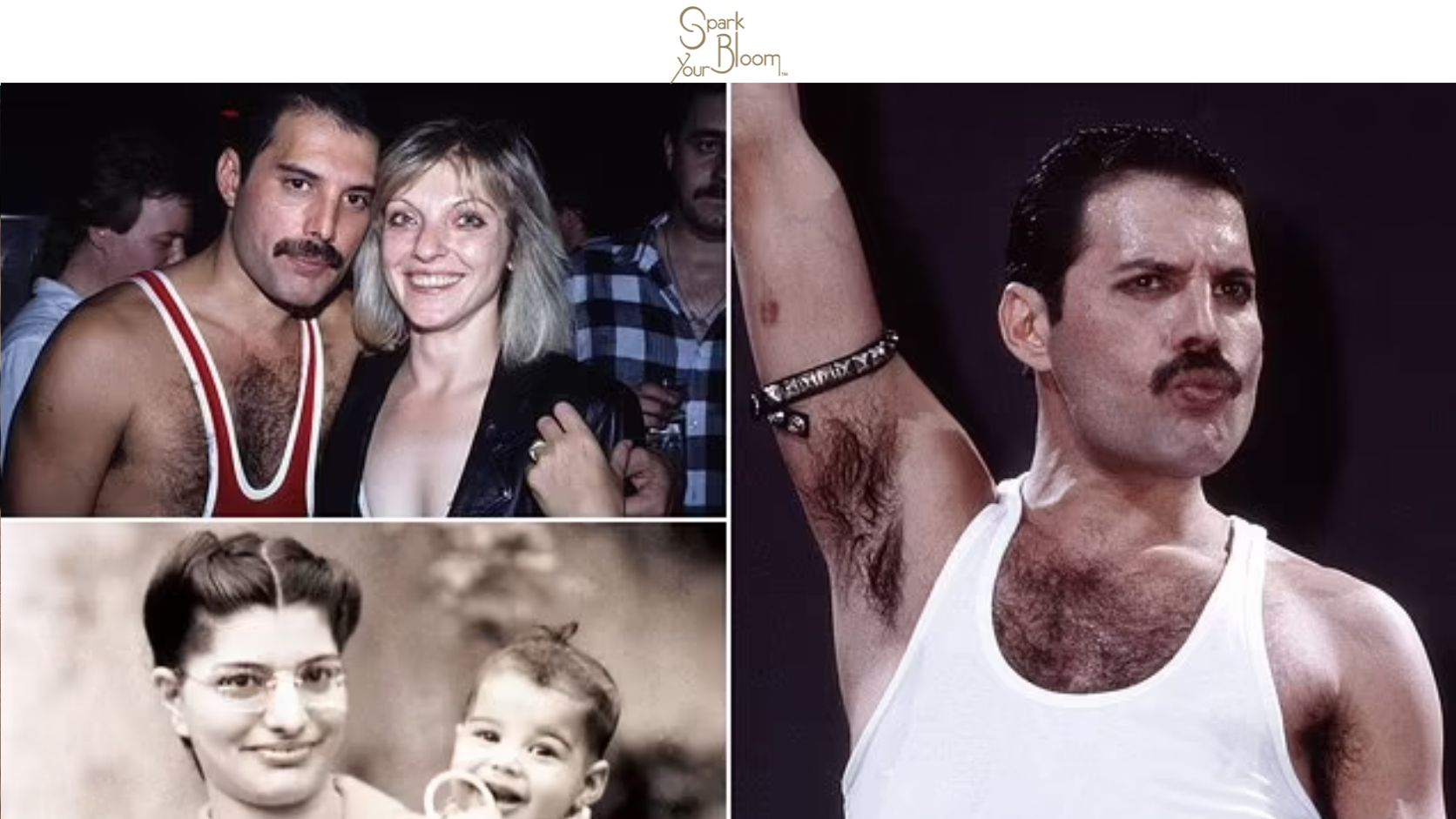
A woman known as “B” or “Bibi” was presented as Freddie Mercury’s daughter in a 2025 biography, but the claim remains disputed. Author Lesley-Ann Jones described a previously private father-daughter relationship in Love, Freddie. Reports in January 2026 later said the woman had died at 48. Neither the biography nor that subsequent report resolves the questions raised about her claimed parentage.
Did He Have a Daughter?
The careful answer is that a daughter has been claimed, rather than independently established in the material reviewed. For many years, the Queen singer’s public biography did not include a child. The new account therefore challenged an existing understanding of his family life.
That makes attribution essential. Saying a book claims Mercury had a daughter is different from stating that the relationship is a proven fact. Reporting on the claim does not require readers to accept it, and scepticism from other people does not by itself definitively settle the question either.
Where Did the Story Begin?
The claim became public in 2025 through Lesley-Ann Jones’s book Love, Freddie: Freddie Mercury’s Secret Life and Love. The book described a woman who had remained out of public view and wanted to protect her identity while sharing an account of her connection to Mercury.
According to that account, she was conceived during a relationship between Mercury and the wife of a friend. The timeline placed her birth in 1977. Those details belong to the biography’s version of events and should not be detached from that qualification.
Who Was “B”?
The woman was initially identified by the letter B and later described in reporting as Bibi. Accounts associated with the book said she worked as a medical professional in Europe. Her full identity was not widely disclosed in the coverage reviewed.
Limited disclosure creates a practical problem for verification. Readers cannot assess the story in the same way they could evaluate a publicly documented family relationship supported by identifiable records. That is a reason to preserve uncertainty, rather than an invitation to expose or speculate about a private person.
The Diary Claim
The book’s account described private journals allegedly entrusted to the woman by Mercury. Jones presented the material as an important source for the biography and for the relationship described within it. The existence, provenance and interpretation of those journals became part of the wider debate.
A reported document can be significant evidence, but its description in a book is not the same as independent public authentication. The reader needs to know who is making the claim and what verification is available. The sources reviewed do not justify treating every assertion about the journals as settled history.
Mary Austin’s Response
Mary Austin publicly questioned the account. Austin, Mercury’s former partner and close friend, said she had not known of a child or the alleged diaries. Her response challenged the suggestion that the supposed daughter had been a secret known within his closest circle.
Her scepticism is a material part of the story because the biography made claims about what people around Mercury knew. It is not enough to mention a daughter claim while omitting the response from someone specifically associated with that account. Both the assertion and the challenge need to remain visible.
The January 2026 Report
In January 2026, news reports said Bibi had died at 48 following an illness. Coverage attributed the announcement to a man identified as her husband, Thomas. Reports also referred to children she had left behind.
This was a later development in the story surrounding the biography. It did not independently authenticate the claimed biological relationship with Mercury. A report about the death of a person associated with a disputed account cannot, on its own, establish that every earlier biographical claim was correct.
Claims About Testing
Some later articles refer to a paternity test. That wording should not be expanded into a claim that independently authenticated results have been publicly established. A report that a test exists and a verifiable record showing what was tested are different levels of evidence.
The responsible description is therefore limited to what the publication attributes to the book or its participants. There is no basis here for inventing a laboratory, a DNA source, a legal ruling or a confirmation from Queen’s surviving members.
Why the Story Continues
Mercury’s stature makes any proposed change to his family history newsworthy. The claim also raises questions about how biographies handle private testimony and how audiences distinguish a compelling narrative from evidence they can independently examine.
Recent coverage in October 2026 revisited the controversy, but renewed attention is not a new confirmation. The chronology remains a 2025 book claim, public objections and a reported death in January 2026.
What Can Be Said?
Bibi is the woman described as Mercury’s daughter in the biography; the parentage claim remains contested. A current article should preserve that distinction in its headline, opening paragraph and later updates, rather than turning an unresolved account into an established family fact.