
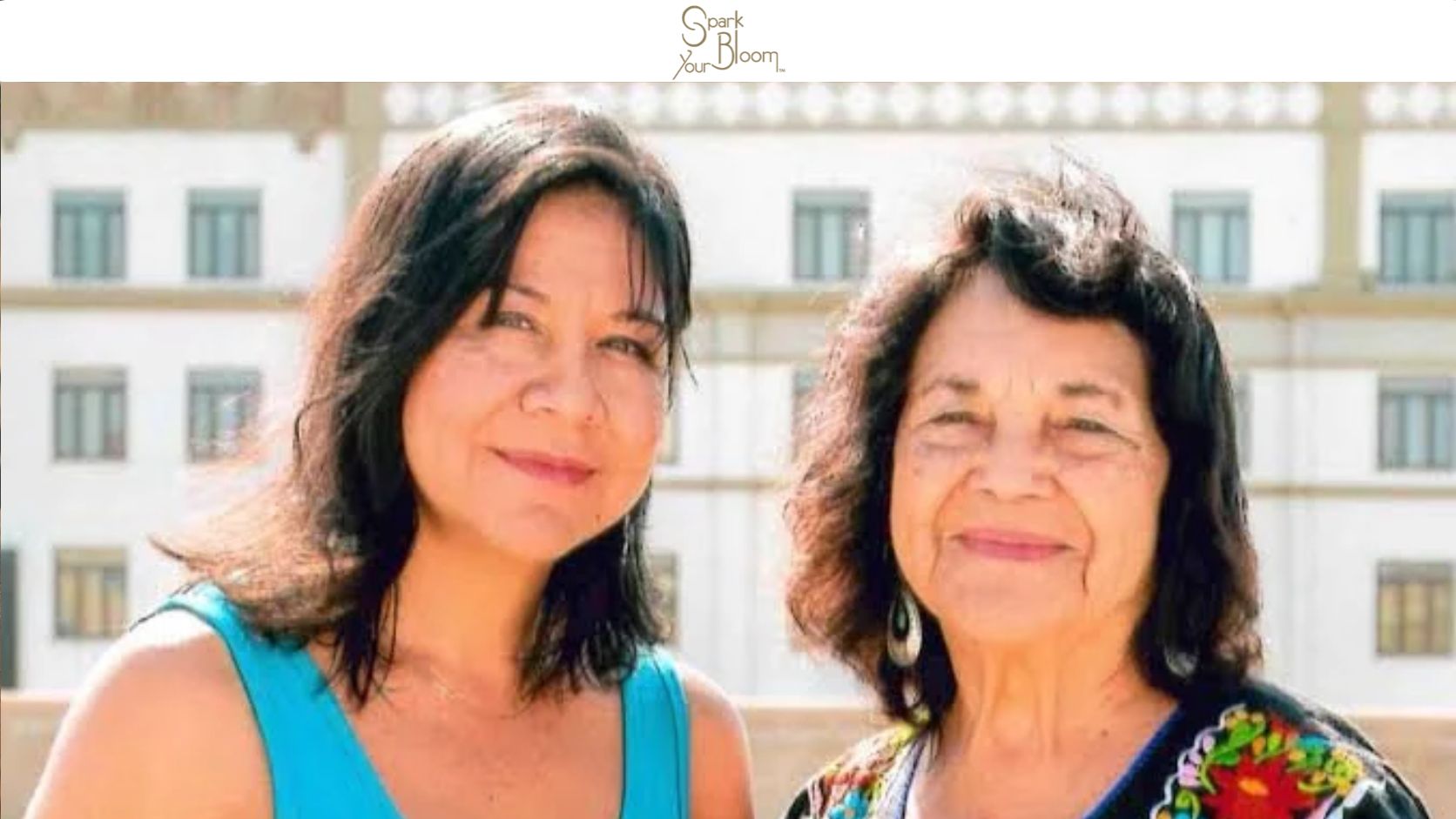
Dolores Huerta, the influential American labor leader and civil rights activist, died on October 28, 2026, at the age of 96, leaving behind a remarkable legacy and a large family of 14 children. Her passing has renewed public interest in her personal life, particularly how she managed motherhood while dedicating decades to fighting for farmworkers, women, and underserved communities across the United States.
Huerta was widely recognized for co-founding the National Farm Workers Association alongside César Chávez, helping establish the movement that eventually became the United Farm Workers. Beyond her public achievements, she raised children through two marriages and other relationships, with several of her children later becoming involved in community organizing and social justice work.
How Many Children Did Dolores Huerta Have?
Dolores Huerta was the mother of 14 children, a significant part of her personal history that often received less attention than her political activism. Her family included children from her marriages to Ralph Head and Ventura Huerta, her relationship with Richard Chavez, and two children whose connection to César Chávez became publicly known decades later.
Raising such a large family while participating in strikes, organizing boycotts, and traveling for civil rights campaigns required considerable personal sacrifice. Huerta frequently spent extended periods away from home because of her organizing responsibilities.
Her children experienced an upbringing closely connected to political activism. Meetings, demonstrations, community gatherings, and conversations about workers’ rights were familiar parts of their childhood.
Children From Her First Marriage
Dolores Huerta married Ralph Head when she was young, and the couple welcomed two daughters, Celeste and Lori. Their marriage eventually ended, but motherhood remained an important part of Huerta’s life as she pursued her education and developed an interest in social activism.
During these early years, Huerta worked toward establishing herself professionally while supporting her young family. She trained as a teacher before becoming increasingly concerned about the difficult circumstances facing children from agricultural communities.
Her experiences as a mother and educator helped shape her understanding of poverty, discrimination, and the challenges faced by working families.
Her Five Children With Ventura Huerta
Following her first marriage, Dolores married Ventura Huerta. The couple had five children together, including Emilio and Alicia.
This period coincided with Huerta’s growing involvement in labor organizing and community activism. She became increasingly active in campaigns addressing poor working conditions, inadequate wages, and the limited protections available to agricultural workers.
Balancing family responsibilities with organizing work was particularly demanding. Her children grew up watching their mother challenge powerful institutions and advocate for people who often had little political influence.
Although her marriage to Ventura eventually ended, Huerta continued raising her children while expanding her role in the American labor movement.
Her Children With Richard Chavez
Dolores Huerta also shared a long-term relationship with Richard Chavez, the younger brother of labor leader César Chávez. Together, they had four children: Juanita, María Elena, Ricky, and Camila.
Richard was deeply involved in the farmworkers’ movement and worked alongside Dolores on organizing campaigns. Their shared commitment to labor rights became an important part of their relationship.
The couple’s children were raised in an environment where community service and political participation were strongly encouraged. Richard died in 2011, but his contributions to the movement remained closely connected to Huerta’s public legacy.
Among their children, Camila Chavez became particularly well known for continuing her mother’s work.
The Revelation About César Chávez
One of the most significant developments involving Dolores Huerta’s family emerged in 2026, when she publicly disclosed that César Chávez had sexually assaulted her during the 1960s and that two of her children were conceived as a result.
The disclosure brought renewed attention to previously private aspects of her relationship with the labor leader. Huerta explained that she had remained silent for decades, partly because of concerns about the consequences for the farmworkers’ movement.
Her account added a deeply personal dimension to the history of an organization she had helped establish. It also prompted difficult conversations about sexual violence, power, and accountability within influential social movements.
The revelation became particularly significant following Huerta’s passing in October, as public tributes revisited both her achievements and the personal experiences she had carried throughout her life.
Camila Chavez and the Family’s Activism
Camila Chavez is among the most publicly recognized members of Dolores Huerta’s family. She helped establish the Dolores Huerta Foundation with her mother in 2003 and became its executive director.
The organization focuses on grassroots community organizing, civic engagement, education, and improving opportunities for underserved communities.
Camila’s involvement reflects the influence her mother’s activism had on the family. Rather than remaining solely associated with Dolores Huerta’s historical achievements, the foundation developed programs intended to address continuing social and economic inequalities.
Other members of Huerta’s family have also participated in advocacy and community initiatives, although several have maintained comparatively private lives.
How Motherhood Shaped Dolores Huerta’s Legacy
Dolores Huerta’s experiences as a mother influenced her understanding of the challenges facing working families. Her advocacy for better wages, educational opportunities, and improved living conditions was closely connected to concerns affecting parents and children.
Throughout her career, she faced criticism for spending substantial time organizing rather than remaining at home. However, she continued pursuing social change while maintaining relationships with her children.
Her family also witnessed the financial difficulties and personal demands associated with grassroots activism. Those experiences shaped their understanding of public service and the sacrifices involved in challenging inequality.
Huerta frequently emphasized the importance of teaching younger generations to recognize injustice and participate in improving their communities.
Remembering Dolores Huerta Through Her Children
Following Dolores Huerta’s passing at 96, attention has turned toward the family she leaves behind and the organizations carrying forward her work.
Her 14 children represent an important part of her personal story, extending beyond the public recognition she received as a pioneering labor organizer.
For more than six decades, Huerta helped shape conversations about workers’ rights, women’s equality, and political representation. Her family remains closely connected to that history, particularly through the continued community organizing associated with the Dolores Huerta Foundation.
Her legacy reflects both the achievements of a nationally recognized civil rights leader and the complicated personal experiences of a mother whose family life unfolded alongside one of America’s most influential labor movements.