
Nathalia Filgueiras, 20-Year-Old Co-Pilot: Her Aviation Career and the Florida Learjet Crash
November 3, 2026
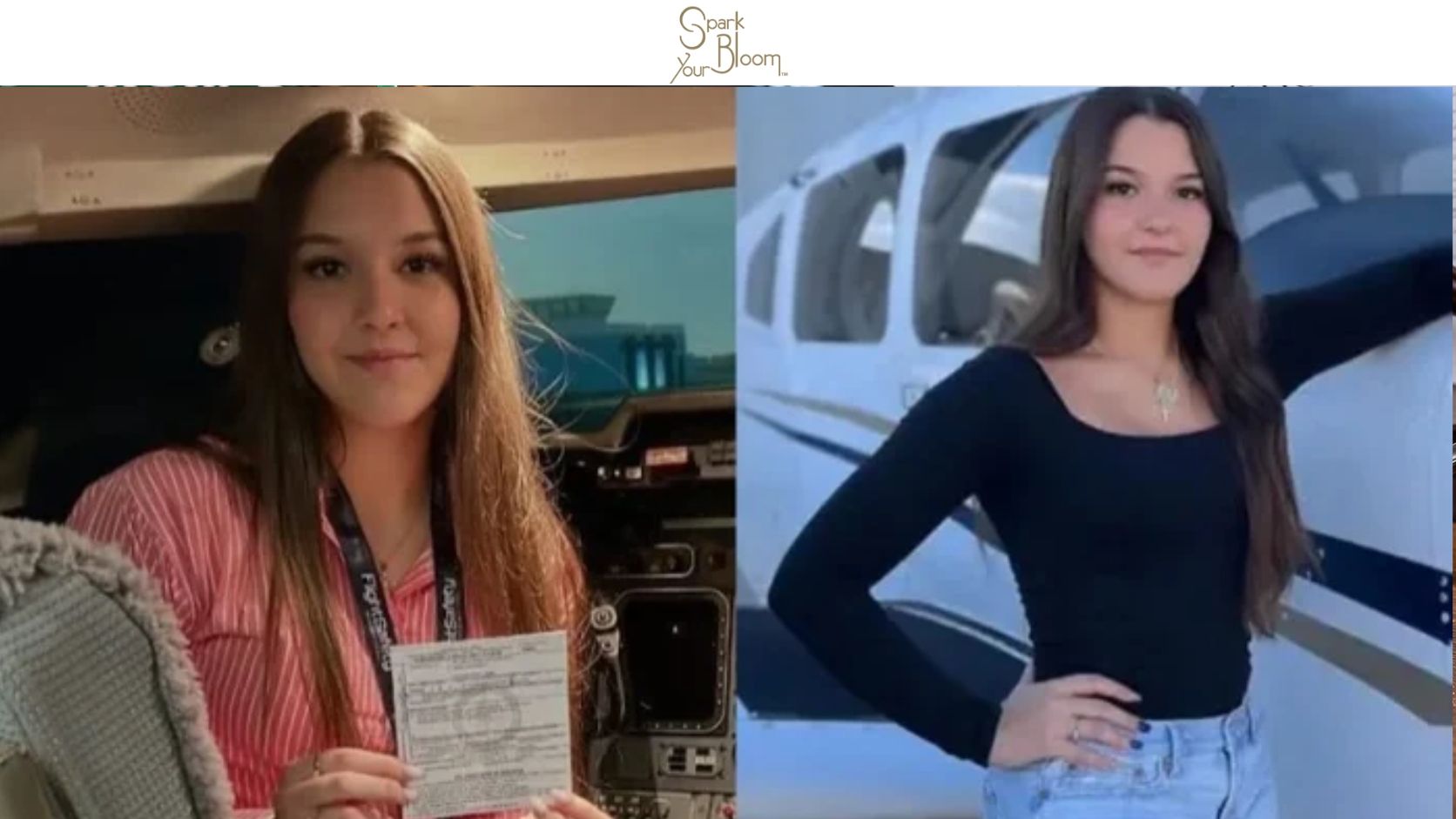
Nathalia Gadelha Filgueiras was the 20-year-old co-pilot identified by her family after the November 1, 2026, Learjet crash in Florida. She earned her first pilot’s licence while still at school and later worked in professional aviation. All nine people aboard the flight from Austin to the Bahamas died. Investigators have not announced a final cause of the crash.
Who Was Nathalia Filgueiras?
Filgueiras was a young aviator from a Brazilian family living in Florida. Her mother, Camila Gadelha Corteleti, and stepfather, Thiago Corteleti, spoke publicly about her after the accident. Their accounts identified her as a member of the flight crew and described the interest in aircraft that had shaped her education and early working life.
Her full name appears in reports as Nathalia Gadelha Filgueiras, while shorter headlines often use Nathalia Filgueiras. These versions identify the same person. The name difference should not be interpreted as evidence of two separate co-pilots, and photographs from her school years should not be presented as images taken during the final flight.
How Did She Start Flying?
Her interest developed while she was growing up around aviation. Local reporting from 2023 recorded that she had begun ground-school studies in 2020 and had earned a private pilot’s licence in September 2023. At the time, she was a senior at West Boca Raton Community High School, still planning the career she hoped to build.
The school’s aviation programme gave students opportunities to learn about aircraft and practise through specialised equipment. The Palm Beach County School District supported her pilot training. Her achievement attracted local television coverage because she had reached a significant flying milestone at seventeen, before obtaining a driving licence, an unusual order of accomplishments for a teenager.
What Did Her Earlier Interview Show?
In the 2023 WPEC interview, Filgueiras spoke with enthusiasm about flying and the contrast between operating an aircraft and not yet driving a car. That footage has circulated again since the crash. It is useful evidence of her longstanding ambition, but it documents an earlier stage of her training rather than her qualifications on November 1, 2026.
Reports of that period said she had accumulated 88 flying hours. Her stepfather later put her experience at approximately 1,300 hours by the time of her death. Those figures relate to different points in her life. The later total comes from the family’s account and should be identified that way rather than described as an independently audited official finding.
Was She Qualified to Fly the Learjet?
Reporting on her pilot record said she held the rating needed to serve on the aircraft, while not being qualified to act as its pilot in command. That distinction is essential. A private licence earned at school was an early achievement; it should not be mistaken for the complete set of qualifications she held after subsequent training.
Co-pilot and captain are different crew roles. Her age, her job title or a photograph of her in a cockpit cannot establish who was controlling the aircraft at a particular moment. Likewise, identifying a person as co-pilot does not itself demonstrate responsibility for an accident. Those questions require evidence about the flight and its operation.
What Happened on November 1?
The Learjet was travelling from Austin, Texas, towards the Bahamas when it crashed in Palm Beach County near the West Palm Beach area. Seven passengers and two crew members were aboard. Family statements identified technology entrepreneur Adam Robinson, his wife Helen Sharp, their children Emma and Charlie, and three other passengers among those killed.
The crew reported icing and turbulence before the aircraft descended rapidly. Available radio recordings and flight-tracking information have attracted extensive public attention. However, a circulating recording does not necessarily identify which crew member was speaking, and dramatic footage of an impact cannot reveal everything that happened earlier inside the aircraft or within its systems.
What Has Her Family Said?
Her relatives remembered a responsible, hardworking young woman who had turned an early fascination into a profession. Her mother described her enthusiasm for aviation, and her stepfather discussed her training and experience. Their recollections provide a personal account of her life, separate from the technical investigation into the aircraft’s final moments.
The stepfather also described a message she sent to her boyfriend about difficult flying conditions shortly before the crash. That information has been reported through the family. It should not be expanded into a reconstructed private conversation, an exact account of what everyone in the cockpit knew or an explanation of why control was lost.
What Is the Latest Confirmed Update?
As of November 3, 2026, the National Transportation Safety Board investigation remains the route to establishing the accident sequence and cause. Initial reporting described indications of an aircraft breakup before impact. That is an investigative observation, rather than a conclusion about what triggered the emergency or whether any individual made an error.
Filgueiras is being remembered both as a crash victim and as a young professional who had pursued flying since adolescence. The confirmed outline is clear: she earned a licence at seventeen, advanced in aviation, and died aged twenty while serving as co-pilot. The unresolved accident questions should remain separate from that documented personal history.