
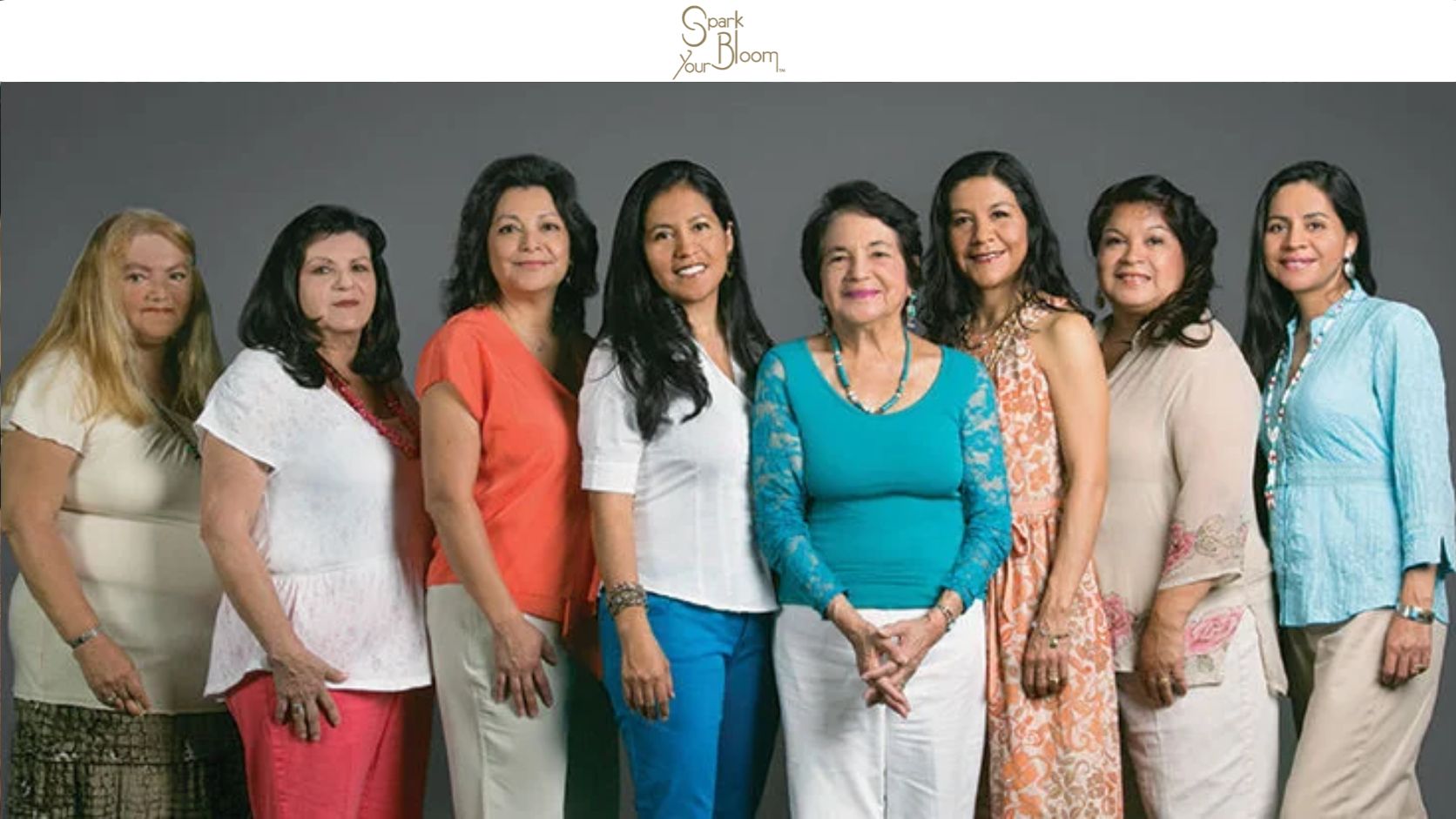
Dolores Huerta, the celebrated American civil rights activist and co-founder of the United Farm Workers, died on October 28, 2026, at the age of 96 following a battle with cancer. Her passing has brought renewed attention to her remarkable family history, including her parents, former husbands, longtime partner, and 13 children. The influential labor organizer also leaves behind several generations of descendants, many of whom continue her commitment to community organizing and social justice.
Huerta spent more than six decades advocating for agricultural workers, women’s rights, and political equality. While her public achievements made her one of the most recognizable figures in American labor history, her personal life was equally significant. She raised a large family while participating in demonstrations, organizing campaigns, and traveling across the country to defend workers’ rights.
Dolores Huerta’s Parents and Early Family Life
Dolores Clara Fernández Huerta was born on April 10, 1930, in Dawson, New Mexico, to Juan Fernández and Alicia Chavez. Her parents separated when she was three years old, and her mother subsequently raised Dolores and her brothers in Stockton, California.
Her father, Juan Fernández, worked as a coal miner and agricultural laborer before becoming involved in union organizing and politics. He eventually served in the New Mexico State Legislature, demonstrating a commitment to workers’ interests that would later influence his daughter’s career.
Her mother, Alicia Chavez, played an especially important role in shaping Huerta’s childhood. Alicia operated a restaurant and hotel in Stockton, where she welcomed working-class families and encouraged generosity toward people experiencing financial difficulties.
Growing up in this environment exposed Dolores to the challenges faced by immigrant families and agricultural workers. Her mother’s independence and compassion became lasting influences on her approach to community service.
Dolores Huerta’s First Husband, Ralph Head
Dolores Huerta married Ralph Head while attending college in the late 1940s. Their marriage lasted approximately three years before ending in divorce.
The couple welcomed two daughters, Celeste and Lori. Following their separation, Huerta continued pursuing her education and professional interests while raising her young children.
She eventually trained as a teacher but became increasingly concerned about the poverty affecting students from agricultural communities.
These experiences encouraged her to pursue community organizing, where she believed she could address the underlying economic conditions affecting working families.
Her Marriage to Ventura Huerta
Huerta later married Ventura Huerta, who was involved with the Community Service Organization, a group focused on improving opportunities for Mexican American communities.
Together, they had five children: Fidel, Emilio, Vincent, Alicia, and Angela.
Their marriage coincided with Dolores becoming increasingly active in labor organizing. Her growing responsibilities required extensive travel, public appearances, and participation in campaigns supporting farmworkers.
The couple divorced in 1964, during a period when Huerta was establishing herself as a leading figure in the agricultural labor movement.
One of their sons, Emilio Huerta, later entered politics and pursued public office, reflecting the family’s continued involvement in civic affairs.
Richard Chavez and Their Four Children
Another important relationship in Dolores Huerta’s life was with Richard Chavez, the younger brother of César Chávez.
Richard was a labor organizer who contributed significantly to the farmworkers’ movement. He and Dolores began their relationship in the early 1970s and remained longtime partners without marrying.
The couple welcomed four children: Juana, María Elena, Ricky, and Camila.
Their relationship developed alongside their shared involvement in union campaigns and community activism. Both understood the demands of organizing agricultural workers and advocating for better employment conditions.
Richard died in 2011, ending a partnership that had lasted several decades.
Their daughter Camila Chavez later became one of the most prominent members of the family through her leadership of the Dolores Huerta Foundation.
César Chávez Revelation and Family History
A significant development involving Dolores Huerta’s personal life emerged in 2026 when she publicly disclosed that César Chávez had sexually assaulted her during the 1960s. She also revealed that two children were conceived as a result of the assaults.
Huerta explained that she had kept these experiences private for approximately six decades because she feared that speaking publicly could damage the farmworkers’ movement.
According to accounts of her disclosure, the two children were raised by other families.
The revelation introduced previously unknown details about her experiences during the early years of the United Farm Workers movement.
It also prompted renewed examination of power, accountability, and the treatment of women within influential political and labor organizations.
Following Huerta’s passing in October, the disclosure remained an important part of public discussions about her life and the complicated history surrounding the movement she helped establish.
How Many Children Did Dolores Huerta Have?
Dolores Huerta’s family history includes 13 children from her marriages, longtime partnership, and the circumstances she disclosed in 2026.
Her children came from different stages of her life, reflecting the personal relationships she maintained throughout her decades of activism.
Motherhood was frequently challenging because of her demanding public responsibilities. Huerta sometimes brought her children to organizing events, union demonstrations, and political gatherings.
Her family grew up surrounded by conversations about workers’ rights, economic inequality, and the importance of civic participation.
Despite the difficulties associated with raising a large family while working as a national activist, Huerta remained committed to passing on the values of community responsibility and social justice.
Dolores Huerta’s Grandchildren and Extended Family
Beyond her children, Dolores Huerta’s family expanded across several generations.
At the time of her passing, she was reported to have 24 grandchildren, 23 great-grandchildren, and seven great-great-grandchildren.
These descendants represent an important part of her personal legacy, extending the family’s history well beyond her immediate children.
Her large extended family also reflects the many decades during which Huerta remained active in public life.
While several relatives have maintained private lives, others have continued participating in community programs, education initiatives, and advocacy organizations.
Camila Chavez and the Dolores Huerta Foundation
One of the clearest examples of Huerta’s continuing family legacy is the Dolores Huerta Foundation, established in 2003.
Huerta helped create the organization alongside family members, including her daughters Camila Chavez, Lori de Leon, and Alicia Huerta.
Camila became the foundation’s executive director, overseeing programs focused on community organizing, civic engagement, education, and leadership development.
The foundation works to empower communities through grassroots participation and encourages younger generations to become involved in decisions affecting their neighborhoods.
Its activities reflect many of the principles Dolores promoted throughout her career, particularly the belief that meaningful social change begins with organized communities.
Dolores Huerta’s Family Legacy After Her Passing
Dolores Huerta’s passing at 96 marked the end of an extraordinary chapter in American civil rights history. Her contributions to labor organizing, women’s equality, and political representation influenced generations of activists.
For her family, however, her legacy extends beyond national recognition and historic achievements.
She was also a daughter, mother, grandmother, and longtime partner whose personal experiences shaped her understanding of injustice and community responsibility.
Through her children, grandchildren, and the continuing work of the Dolores Huerta Foundation, the values she championed remain connected to future generations. Her family history offers a fuller picture of the woman behind one of America’s most influential labor movements.