
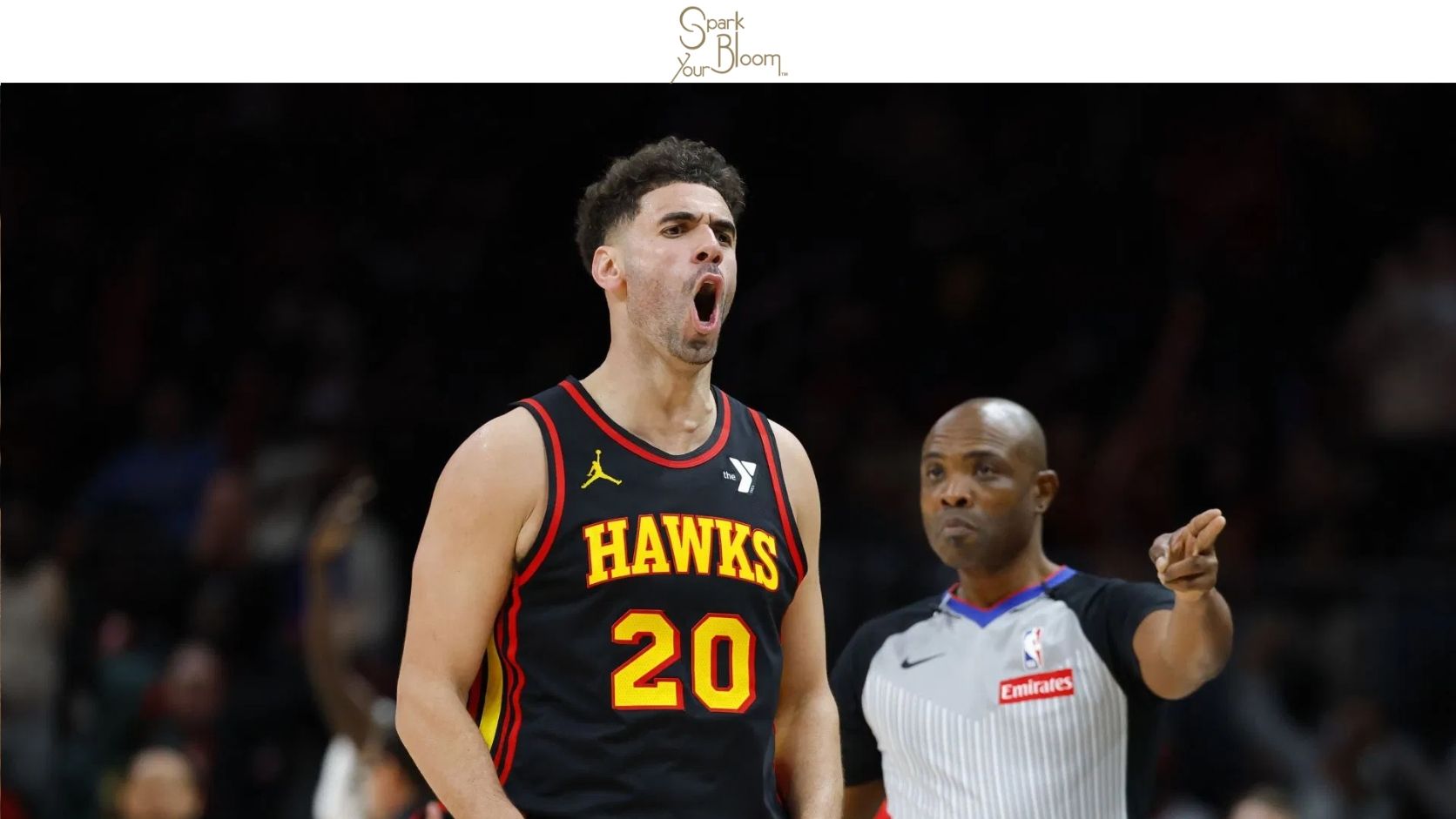
Georges Niang has Senegalese heritage through his father, Sidy Niang, who was born and raised in Senegal. The NBA forward was born in Lawrence, Massachusetts, and is the son of Sidy and Alison Niang. Often searched as “George Niang,” his first name is properly spelled Georges. His American upbringing and Senegalese family connection are both documented parts of his background.
What Is Georges Niang’s Ethnic Background?
His Senegalese roots are clearly established through his father. Niang has personally discussed that connection, and official basketball biographies identify Senegal as Sidy’s country of origin.
Senegalese-American is therefore a useful description of the heritage and upbringing documented in his public record. It does not require assuming that he was born in Senegal.
A more detailed ancestry breakdown on his mother’s side was not established through an equally clear primary statement in the material reviewed. It should not be supplied from appearance or an unsupported family tree.
Who Are His Parents?
Sidy and Alison Niang are his parents. Their names appear in official NBA and earlier team biographical material.
Reporting about his upbringing has also described the family’s role in choosing educational and sporting opportunities. Those accounts provide context beyond a simple list of names.
However, a parent’s birthplace does not establish the other parent’s ancestry. Each side of a family needs its own evidence, especially when an article is specifically answering an ethnicity question.
Where Was Niang Born and Raised?
Niang was born in Lawrence, Massachusetts, on June 17, 1993. His early development took place in the United States, including high-school basketball at Tilton School in New Hampshire.
He later played college basketball at Iowa State. That progression establishes an American educational and sporting upbringing.
Birthplace and ancestry answer different questions. A player can be American-born and have a close family connection with another country without either fact canceling the other.
Has He Spoken About Being Senegalese?
Yes. Niang has publicly expressed pride in his Senegalese connection and an interest in representing the country in international basketball.
FIBA reported his interest as early as 2017. The account identified Senegal as his father’s country of birth and quoted his enthusiasm about potentially playing for the national team.
That direct acknowledgment is stronger evidence than a surname-based guess. It also shows that his connection with Senegal is part of his own public identity, rather than a label imposed only by outside profiles.
Does He Have a Senegalese Passport?
At a September 28, 2026 Golden State media conference, Niang said he had a Senegalese passport. He also discussed his hopes of playing for the country.
That is a recent first-person statement about a specific document and sporting ambition. It should be attributed to him and attached to the date of the interview.
A passport statement does not by itself prove that he has already played in a particular tournament. Eligibility, selection and actual participation are separate stages.
Has He Already Represented Senegal in Every Planned Event?
No such conclusion follows from the reviewed material. Niang has discussed plans and interest over several years, but plans can change because of health, contracts and scheduling.
A stated intention is not the same as a completed national-team appearance. An article should check the relevant roster and match record before claiming he played at a specific competition.
His continuing interest is still meaningful to the heritage question because it demonstrates a personal connection with his father’s background.
What Is Known About His Family’s Influence?
Profiles of Niang’s development describe the importance of education, local basketball opportunities and a supportive environment. His path included moving away from home for high school.
Those choices provide a more concrete account than generic claims about “natural talent” associated with a particular ancestry. Basketball skill should not be explained through ethnicity alone.
His career reflects practice, coaching, physical development and opportunities across different levels of competition. Family heritage is part of his identity, not a substitute for the sporting work.
Which NBA Team Is He With in the Latest Coverage?
Current NBA coverage in October 2026 identifies Niang with the Golden State Warriors. His September media conference also placed him within that team’s preseason activities.
He discussed the type of role he hoped to fill, including shooting, decision-making and contributing to a winning environment. Those comments were professional updates rather than new revelations about his ancestry.
Older articles associate him with previous NBA teams. Their dates should be checked before treating a historical roster description as current.
What Is the Correct Way to Describe His Background?
Niang is an American-born basketball player with publicly acknowledged Senegalese roots through his father. His parents are Sidy and Alison, and his development took place in American schools and college basketball.
The recent passport statement and national-team ambitions add a current dimension to that established background. They do not justify inventing a more detailed ethnic percentage or an international appearance that has not been verified.
Using the correct spelling, Georges, and keeping birthplace, heritage and national-team participation separate provides the clearest answer to the question readers are asking.
His official biography also records that he studied business marketing at Iowa State, adding an educational detail to the better-known account of his basketball development.